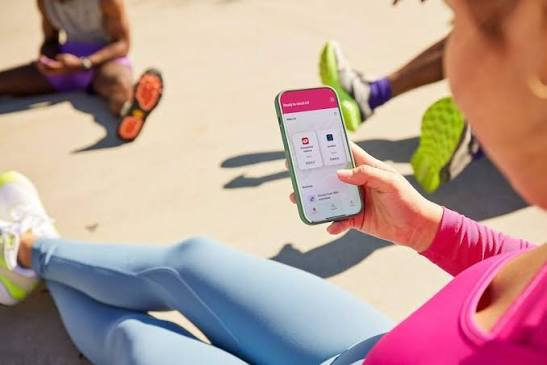
A fitness app can support many goals, from workout tracking and habit building to coaching, nutrition planning, and activity monitoring. The challenge is not adding as many features as possible. The real goal is creating a focused product that solves a clear problem for a specific type of user.
Strong products usually begin with a narrow use case. A strength-training platform may help users log sets and monitor progress. A running product may focus on distance, pace, and route history. Defining the core purpose early makes every later product decision easier.
Start With a Clear User Problem
Before thinking about screens or technology, decide who the product is designed to serve. A beginner looking for simple daily workouts has different needs from an experienced athlete who wants detailed performance data.
A useful product brief should describe the target user, their goal, and the main obstacle preventing progress. It should also explain the action the product helps them complete. This keeps the project from becoming a collection of unrelated ideas.
Research should focus on real behavior. Review competing products, app-store comments, fitness communities, and common user complaints. Look for friction such as confusing workout logging, poor navigation, limited customization, or unclear progress reports.
See also: GLP-1 Diet Foods: A Practical Eating Guide
Decide Which Features Belong in the First Version
The first release should prove that people value the main experience. It does not need every feature found in larger competitors.
Common features may include:
- User registration and personal profiles
- Exercise libraries or workout plans
- Goal setting
- Activity and progress tracking
- Reminders and notifications
- Workout history
- Subscription or payment options
- Wearable or health platform integrations
The correct feature mix depends on the product. A coaching platform may need messaging and video. A gym companion may focus on workout templates and exercise logging. A habit-focused product may only need goals, reminders, and progress streaks.
Prioritize features based on user value, technical effort, and business importance. Anything that does not support the first release can be placed on a future roadmap.
Design a Fitness App Around Real Daily Behavior
A Fitness app is most useful when common actions feel quick and predictable. People may open it before training, during an exercise, or while moving between activities. Navigation, button size, readability, and loading speed therefore matter.
Reduce unnecessary steps in frequent tasks. Logging a completed set should not require several screens. Starting a saved routine should be easy. Progress information should also be clear without forcing users to interpret complicated charts.
Accessibility deserves attention from the beginning. Readable text, strong contrast, descriptive labels, and simple controls can make the product easier for a wider range of users.
Choose Technology Based on the Product
The technology stack should support the expected experience rather than follow current trends without a reason. Native iOS and Android development can provide close platform integration. Cross-platform development may reduce duplicated work when both versions share most features.
The back end may manage user accounts, workout data, subscriptions, media, messaging, and analytics. Products using smartwatches or health information may also require connections with device APIs and operating-system health services.
Security should be part of the architecture from the beginning. Collect only the information the product genuinely needs. Use secure authentication, protect stored data, and give users understandable privacy controls.
Understand the Main Cost Drivers
Teams often ask how much to create a fitness app, but the answer depends heavily on scope. A basic workout logger requires far less development than a service with live coaching, streaming video, wearable connections, subscriptions, and personalized recommendations.
Major cost areas usually include product design, mobile development, back-end engineering, testing, project management, and ongoing maintenance. Real-time messaging, advanced analytics, custom video systems, and complex device integrations can add development work.
A practical budget should separate the initial release from later phases. This allows the team to test user interest before investing heavily in features that may not be essential.
Add Personalization Without Creating Complexity
Personalization can make training recommendations feel more relevant, but excessive setup can create friction. Start with useful inputs such as experience level, goals, available equipment, preferred workout types, and session length.
Simple rules can support many early products. Someone who selects limited equipment can receive bodyweight routines. A user with only 20 minutes available can see shorter sessions rather than a full training plan.
More advanced systems may adapt based on workout history, performance, consistency, or connected-device information. Whatever approach is used, users should understand why recommendations change.
Build Trust Into Health and Training Features
Fitness products can influence exercise choices, recovery habits, and health-related behavior. Guidance should therefore use accurate language and avoid unsupported promises.
Do not present general fitness information as a medical diagnosis or guaranteed result. Products offering health-related recommendations should explain their limits and direct users toward qualified professional support when appropriate.
Privacy also affects trust. Explain what data is collected, why it is needed, and how users can control or delete it. Clear communication is often more useful than lengthy technical wording that few people understand.
Test the Product in Real Workout Conditions
Testing should extend beyond checking whether each screen opens correctly. People may use the product with sweaty hands, weak internet access, headphones, bright outdoor light, or limited attention.
Test common actions such as starting a workout, logging progress, pausing activity, correcting an entry, and returning after an interrupted session. Check how the product responds when notifications appear or connectivity disappears.
A small beta group can reveal problems internal teams miss. Pay attention to where users hesitate, abandon tasks, or misunderstand labels. Observed behavior often provides more useful feedback than simply asking whether they like the interface.
Measure Retention Instead of Focusing Only on Downloads
Downloads show initial interest, but they do not prove that the product has lasting value. More useful signals may include completed workouts, repeat sessions, plan adherence, active days, and continued use.
Choose measurements that reflect the main promise of the product. If the service helps people follow training plans, track how often scheduled sessions are started and completed. A habit product may focus more on repeated actions and return frequency.
Analytics should lead to specific improvements. Identify where people stop using a feature, test a clearer alternative, and compare the results instead of changing several areas at once.
Prepare for Maintenance After Launch
Launching the first version is only the beginning. Mobile operating systems change, external APIs are updated, new devices appear, and users continue to discover bugs.
Budget for software updates, customer support, security maintenance, content changes, and performance monitoring. Subscription products also need reliable billing systems and clear account management.
Planning for post-launch work early helps prevent technical problems from growing. A product that works well at launch still needs ongoing attention to remain dependable.
Build the First Release Around One Strong Promise
A useful fitness product does not need to solve every exercise or wellness problem. It should solve one meaningful problem well, then expand based on genuine user behavior.
Clear positioning, focused features, simple design, careful testing, and responsible data practices provide a stronger foundation than an oversized feature list. Teams researching how much to create a fitness app should first define the smallest version capable of delivering real value. That decision makes development scope, budgeting, and future improvements much easier to manage.
